


















| Engine | Output |
| ------ | ------ |
| 327 V8 | 275 hp |
| 327 V8 | 325 hp |
| 396 V8 | 375 hp |
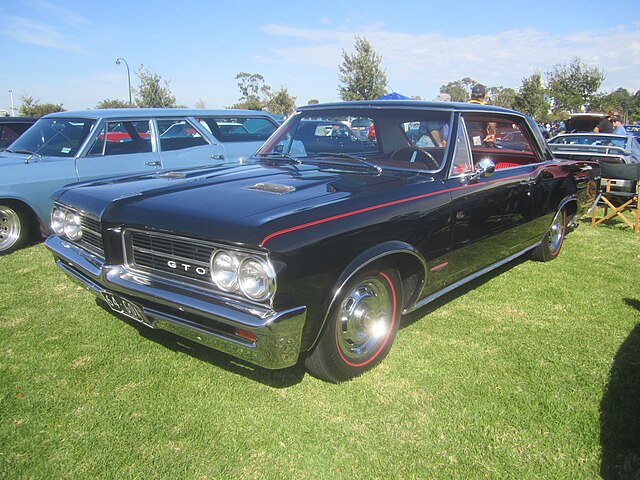
| 396 V8 | 385 hp |The 1964 Pontiac GTO — The Car That Started a Revolution
In the history of American automobiles, there are cars that are important, and then there’s the 1964 Pontiac GTO. This isn’t hyperbole — the GTO literally created the muscle car category. Before January 1964, there was no such thing as a “muscle car.” After GM’s radical decision to offer a big engine in a mid-sized car, everything changed.

The Birth John DeLorean pushed management to offer a high-performance engine package on the mid-sized LeMans. The result was the GTO — Gran Turismo Omologato, a name borrowed from Ferrari. In its first year, Pontiac sold over 32,000 GTOs.
Under the Hood
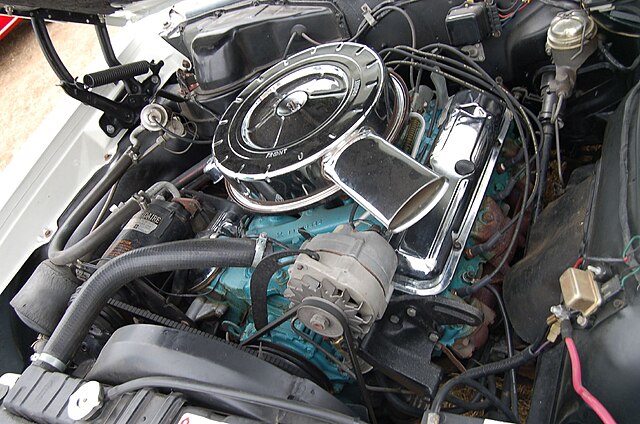
| Engine | Horsepower | Notes || ------------- | ---------- | -------------------- || 389 2-barrel | 348 hp | Standard || 389 4-barrel | 348 hp | More responsive || 389 Tri-Power | 348 hp | Three 2-barrel carbs || 389 HO | 370 hp | High output, rare |

Production Numbers • 7,384 Coupes • 18,422 Hardtops • 6,644 Convertibles
Total: 32,450 The Michigan Connection
Pontiac was Michigan’s own — built at the Pontiac assembly plant. Michigan drivers, Michigan roads, Michigan pride.
Why It Matters The GTO started a revolution. It created the muscle car era. Every Mustang, every Chevelle, every Challenger came after the GTO showed them the way.
| Condition | Price || ---------------- | ----------------- || Project | $15,000-$35,000 || Driver | $40,000-$65,000 || Nice | $75,000-$110,000 || Excellent | $130,000-$180,000 || Numbers Matching | $200,000+ |
The Bottom Line The 1964 GTO isn’t just another classic car — it’s the origin story of the muscle car era. For Michigan enthusiasts, it’s our car, built in our state, driven on our roads. It changed everything.
]]>

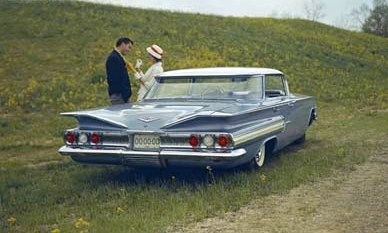
Chevrolet Bel Air | Mid-level premium |
| Chevrolet Biscayne | Base model workhorse |
| Chevrolet Corvair | All-new compact (air-cooled!) |
| Chevrolet El Camino | The car-truck hybrid |Body: When we talk about the greatest American V8 engines of all time, one name always comes up: the Chrysler Hemi. Known for its distinctive dome-shaped combustion chamber, the Hemi engine family has powered everything from muscle cars to race cars, and its legacy continues today. Here’s the story.

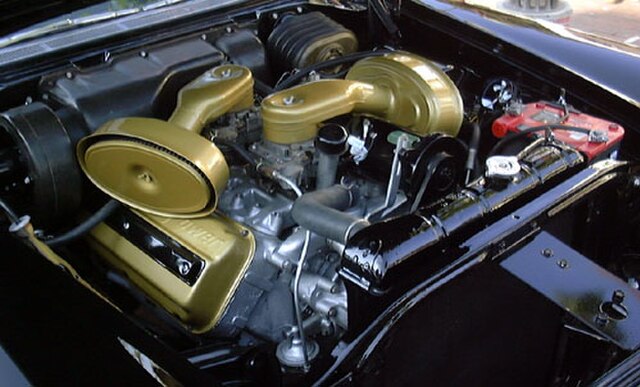
What Makes a “Hemi”? The name “Hemi” comes from “hemispherical” — referring to the shape of the cylinder head’s combustion chamber. In a Hemi design, the valves sit across from each other at a 90-degree angle, with the spark plug in the center. This shape allows for larger valves, better airflow, and more power than the traditional flat-head designs of the era.
The First Generation — 1951-1958 Chrysler’s first Hemi engine, the “FirePower” 331 cubic inch V8, debuted in 1951. Over the ’50s, it grew to 354 CID with up to 235 hp.
The Modern Hemi — 2003-Present Chrysler revived the Hemi in 2003 with the 5.7L V8. Today it lives on in forms making 395-707+ hp in everything from Rams to Hellcats.
Why Enthusiasts Love the Hemi
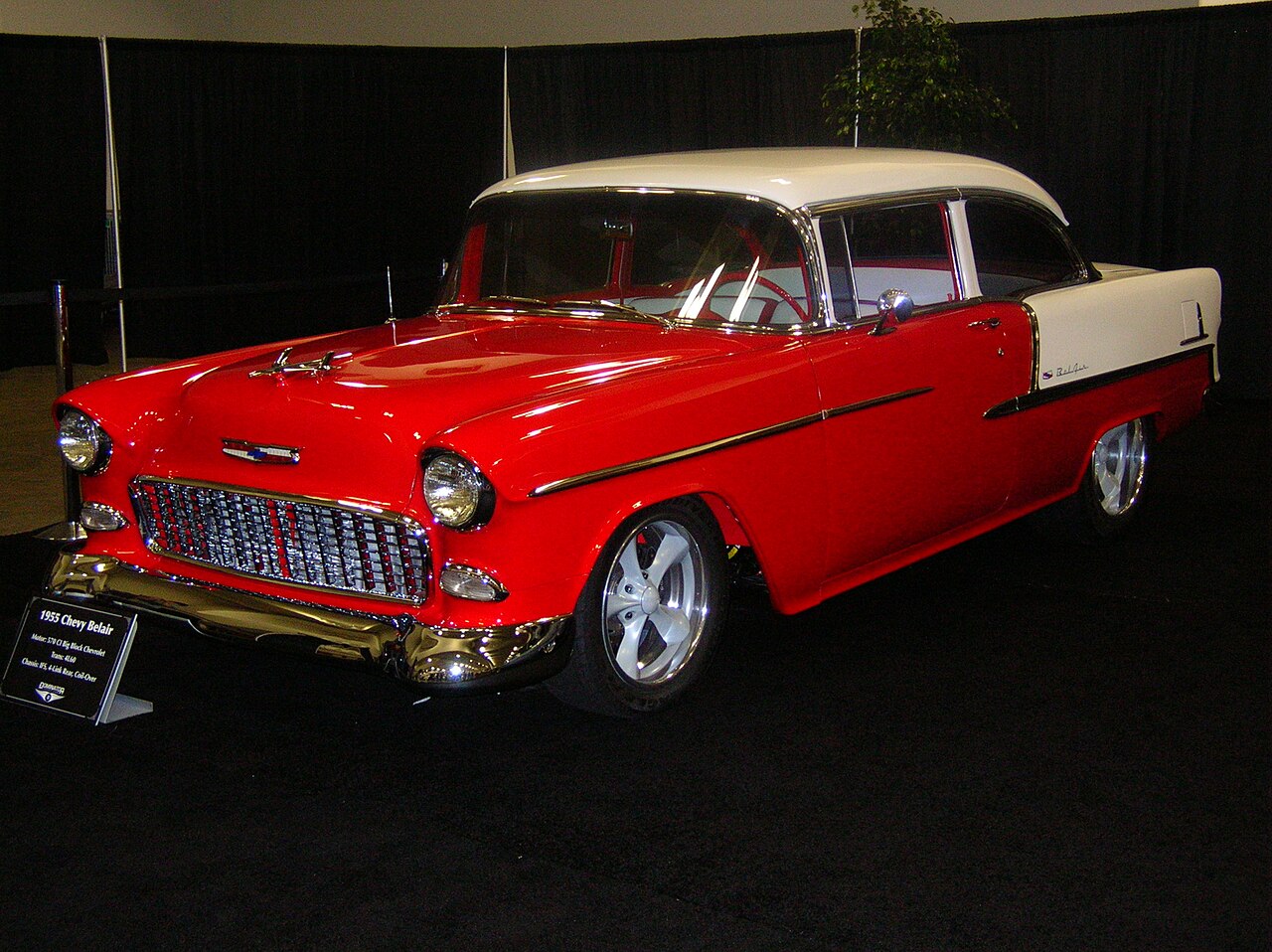
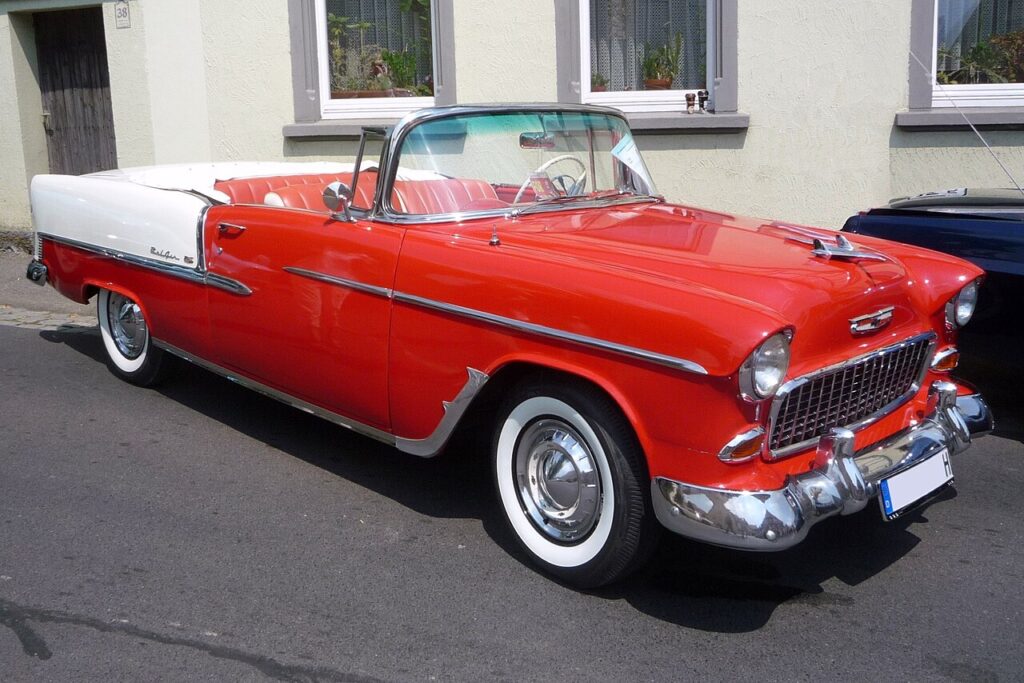
The Car That Saved Detroit Body: The 1955 Chevrolet isn’t just another old car. It’s the model that pulled Chevrolet back from the brink and gave America one of the most iconic designs in automotive history. If you’re into classic cars, the ’55 Chevy is a must-know. Why the ’55
Chevy Matters By 1954, Chevrolet was in trouble. Ford was outselling them, and the aging design was showing its age. Something big needed to happen. Then Harley Earl — GM’s legendary design chief — went to work. The result? A completely new look for Chevy in 1955, featuring the now-legendary “Bel Air” styling with the shark-tooth grille, wraparound windshield, and those distinctive chrome details. The gamble paid off. The 1955 Chevy became one of the best-selling cars in America, and it set the stage for Chevy’s dominance through the rest of the decade.
| Model | Description || ----------------- | ----------------------------------------------- || Chevrolet 150 | The base model — stripped down, affordable || Chevrolet 210 | Mid-level trim — more chrome, better interior || Chevrolet Bel Air | Top of the line — full chrome, premium features |
Body styles available: Two-door sedan, four-door sedan, two-door hardtop (Sport Coupe), convertible, station wagon (Woody), and sedan delivery. The Bel Air was the star of the show, with its extensive chrome trim, gold badges, and that unforgettable grille design. Engines — The Big News
For the first time, Chevrolet offered a V8 as standard equipment in their smaller cars. This was a game-changer.
| Engine | Size | Horsepower | Notes || -------------- | ------- | ---------- | --------------------- || Blue Flame I6 | 235 CID | 123 hp | Standard on 150/210 || Blue Flame I6 | 235 CID | 140 hp | Optional (power pack) || Small Block V8 | 265 CID | 180 hp | New for 1955! || Small Block V8 | 265 CID | 195 hp | With Powerglide auto |
The 265 V8 was revolutionary — it was lightweight, powerful, and would become the basis for decades of Chevy performance. The Cost Here’s what these cars cost new in 1955: • 150 Series: ~$1,500-$1,700
Convertible: ~$2,400+ When you adjust for inflation, that ’55 Bel Air convertible would cost around $25,000-$30,000 in today’s money — making it a relatively affordable dream car for the era.

The Legacy The 1955 Chevrolet wasn’t just a car — it was a turning point. Here’s why it matters to car enthusiasts today:
Today, a nice ’55 Chevy Bel Air can range from $30,000 to $75,000+, depending on condition, originality, and whether it’s a convertible.
First small-block V8 — The 265 set the foundation for 50+ years of Chevy power
Design icon — The Bel Air styling influenced generations of cars
Affordable classic — Still one of the most accessible ’50s collectibles
Hot rod base — The 265 V8 was perfect for swaps and modifications
Today, a nice ’55 Chevy Bel Air can range from $30,000 to $75,000+, depending on condition, originality, and whether it’s a convertible.
]]>